Your Child Understands but Won't Speak the Heritage Language
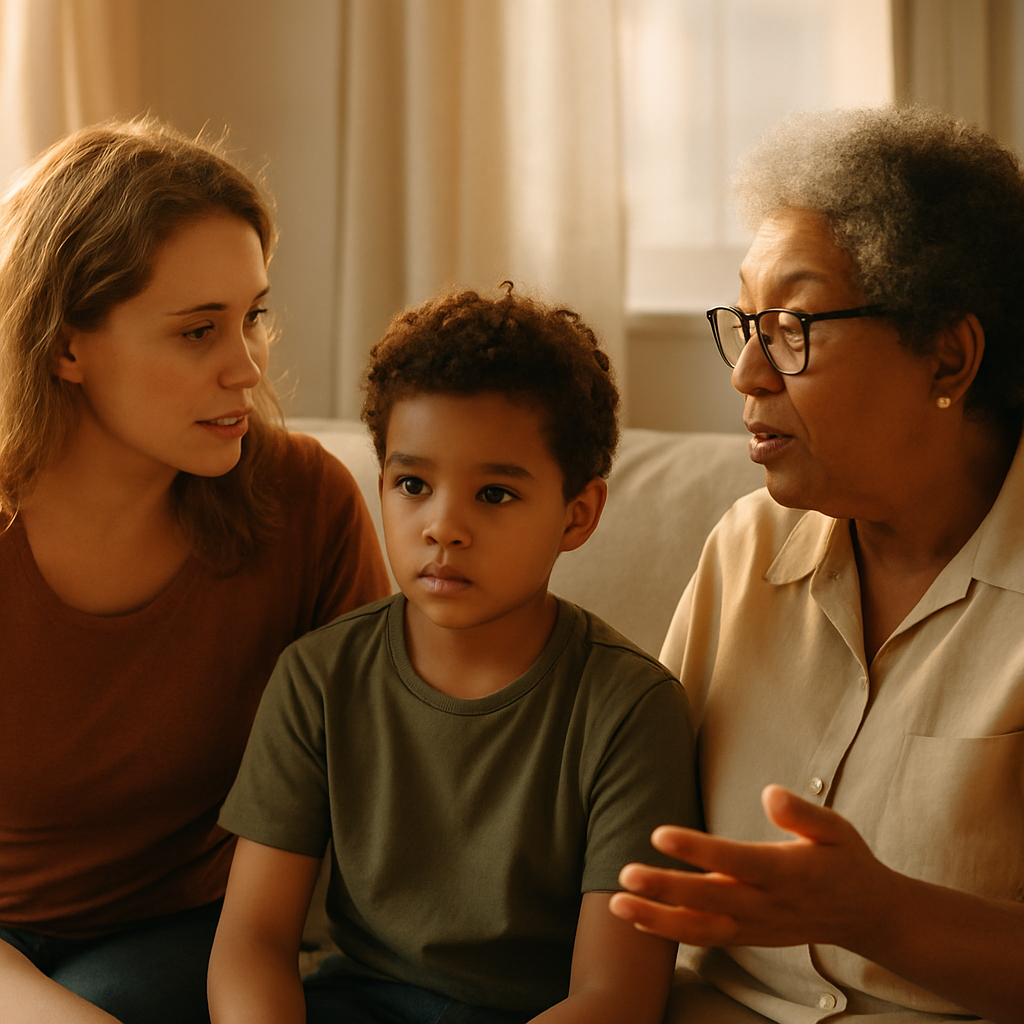
If your child answers you in the dominant language every time you speak your heritage language to them, you are not failing — and neither are they. A child who understands but does not yet speak a heritage language is called a passive bilingual, and this is one of the most common — and most reversible — situations in minority-language parenting. The comprehension is real, the foundation is solid, and with the right moves, active speech usually follows.
Why does this happen in the first place?
Children are ruthlessly efficient communicators. When they discover that a parent understands the dominant language perfectly well, they switch to the path of least resistance. This is not defiance or disinterest — it is optimization. Add in peer pressure, schooling in the majority language, and a lack of same-age speakers in the heritage language, and silence in that language starts to feel like the logical default.
Research on heritage-language acquisition consistently shows that comprehension develops faster than production when input is plentiful but opportunities to need to speak are scarce. Your child's brain has been quietly building grammar and vocabulary the whole time — it just has not been asked to perform yet.
What actually moves the needle?
- Raise the stakes — gently. Adopt a soft one-language zone: a specific time, place, or activity (dinner, the car ride, bedtime stories) where you lovingly pretend not to understand the dominant language. Consistency matters more than duration.
- Create a real audience. Video calls with grandparents, cousins, or family friends who speak only the heritage language give children an authentic reason to produce speech. No audience, no motivation.
- Use structured play, not drills. Games, cooking together, building things — activities that demand back-and-forth interaction in context — produce far more spontaneous speech than quizzing vocabulary lists.
- Celebrate approximations. When your child attempts the heritage language — even imperfectly, even with code-switching — respond warmly and keep the conversation moving. Correction-heavy responses teach children that speaking is risky.
- Find peer speakers. A single same-age friend who speaks the heritage language is worth months of parental effort. Heritage-language playgroups, cultural camps, or online pen-pal programs can fill this gap.
How long does the shift from passive to active usually take?
There is no universal timeline, but families who combine a no-pressure speaking environment with consistent real-world motivation (especially peer contact) typically report noticeable increases in spontaneous speech within three to six months. Children who start speaking the heritage language before age seven tend to reach conversational fluency faster, but older children and even teenagers have successfully made the transition with the right social context.
Frequently Asked Questions
Should I correct my child when they mix languages?
Light, natural recasting works better than direct correction. If your child says a word in the dominant language mid-sentence, simply repeat the sentence back naturally using the heritage-language word — no commentary needed. Heavy correction raises the emotional cost of speaking and often backfires.
What if my child flat-out refuses and gets upset?
Back off the pressure entirely for a few weeks and focus on enjoyable shared activities in the heritage language — music, films, games — with zero speaking demands. Rebuild positive associations first. Forced speech almost never produces lasting results and can damage the child's emotional relationship with the language.
Is passive bilingualism permanent if I do nothing?
Not necessarily permanent, but the window does narrow with age. Passive bilinguals who receive no activation input through adolescence often find production increasingly difficult as adults, even though comprehension remains. Early, consistent, low-pressure action is genuinely worth it.
Key Takeaways
- Passive bilingualism means comprehension without production — it is normal, not a failure.
- Children switch to the dominant language because it is more efficient, not because they reject the heritage language.
- The most effective activators are real social need, low-pressure speaking zones, and peer contact.
- Avoid heavy correction; use warm recasting instead.
- Consistent, enjoyable exposure over months — not intensive drilling — is what produces lasting speech.