Playful Daily Routines That Keep the Home Language Strong
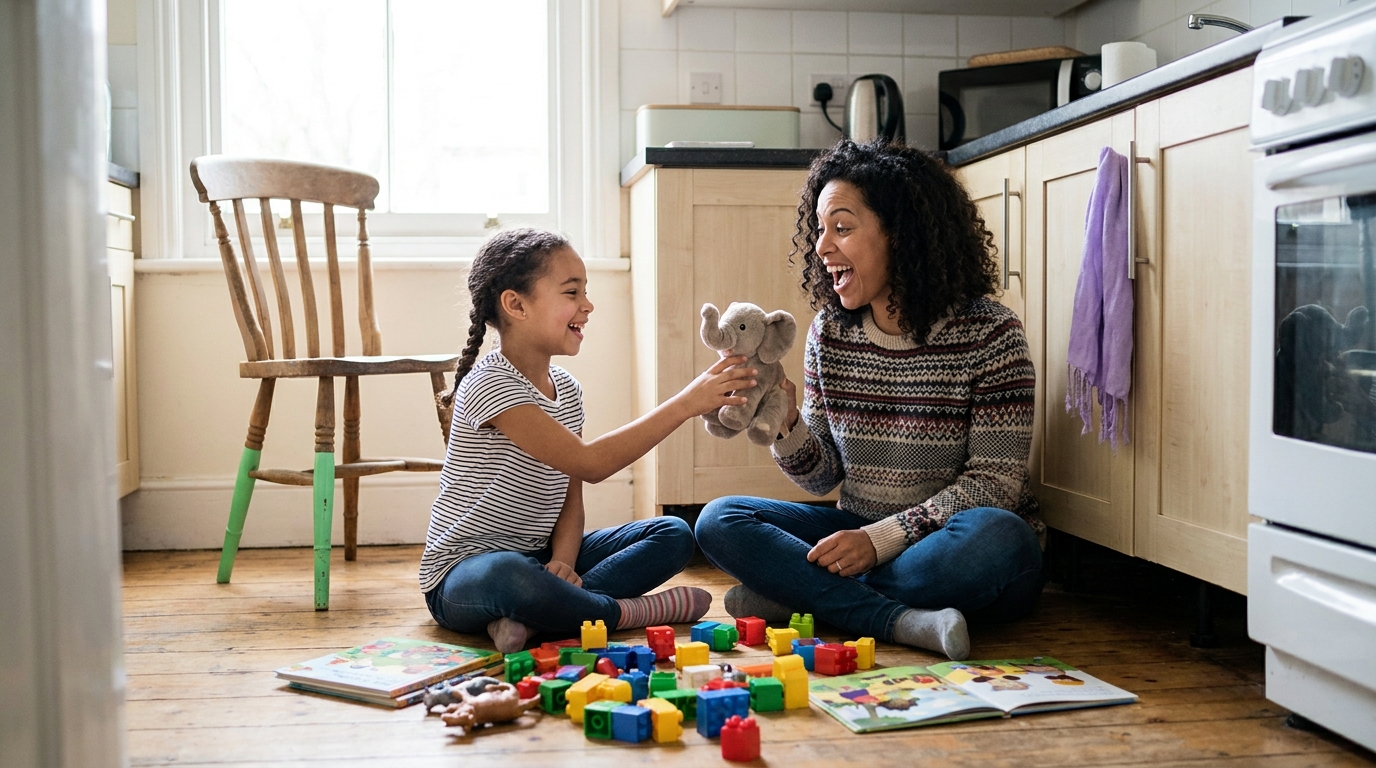
The most effective way bilingual families keep their heritage language strong is by embedding it in the routines their children already love—meals, bath time, play, and bedtime—so the language feels like home, not like school. No flashcards required.
Why Routines Work Better Than Lessons
Children acquire language through repetition in emotionally meaningful contexts. A vocabulary list forgotten by Tuesday sticks forever when it's the word for "bubbles" shouted every single bath night. Research in bilingual language development consistently shows that frequency and positive emotional association are the two biggest predictors of a child actively choosing to use their heritage language as they grow. Routines deliver both, automatically.
The goal isn't to drill your child. It's to make the heritage language the natural soundtrack of your shared life.
What Do These Routines Actually Look Like?
Here are the everyday anchors bilingual families rely on most:
- The Morning Handoff. One parent greets the child exclusively in the heritage language from wake-up until school drop-off. No switching. The rules are clear, the window is short, and the habit builds fast.
- Mealtime Commentary. Narrate what's on the plate, who cooked it, and how it tastes—all in the heritage language. Food vocabulary is rich, emotional, and repeated daily.
- The Bedtime Story Ritual. A story in the heritage language every night creates a powerful association: that language = warmth, safety, and closeness. Even ten minutes is enough.
- Silly Word Games in the Car. "I spy," rhyming games, or counting everything you pass. The car is a captive, low-pressure environment where playful language thrives.
- Weekend Role Play. Let children "run" a pretend market, restaurant, or doctor's office entirely in the heritage language. They lead; you follow their script.
How Do You Stay Consistent Without Burning Out?
Pick two or three anchor routines and protect them fiercely rather than trying to make every moment bilingual. Parents who attempt total immersion at home often give up within weeks; parents who own two or three rituals keep going for years. Consistency over coverage, always.
It also helps to involve extended family. A weekly video call with grandparents where children are the ones doing the talking—not just waving—adds a real-world audience that no app or parent can fully replicate.
"We made a rule: the kitchen speaks only Spanish. It felt small at first. Three years later, my son corrects my Spanish at the stove." — Talky parent community
Frequently Asked Questions
What if my child refuses to use the heritage language?
This is normal, especially between ages 4–7 when peer language pressure peaks. Don't negotiate or plead—just continue the routine calmly and playfully. Refusal usually means they understand far more than they're letting on. Keep the joy high and the pressure low.
Do screen time and apps count as routine exposure?
Yes, if they're interactive and consistent. Passive viewing in a heritage language adds listening input, but interactive tools—where the child responds, chooses, and produces language—build active use. Combine both for best results.
How long before we see real progress?
Most families notice increased comfort and spontaneous use within 8–12 weeks of maintaining two to three daily routines. Vocabulary growth is visible sooner; confident, unprompted speech takes longer but follows naturally.
Key Takeaways
- Embed the heritage language in routines children already enjoy—meals, baths, bedtime, car rides.
- Choose two or three anchor routines and protect them; consistency beats total immersion every time.
- Positive emotional association is as important as frequency—keep it playful, not pressured.
- Real-world audiences (grandparents, cousins) reinforce the language's purpose in ways parents alone cannot.
- Progress is real and measurable: expect noticeable gains within 8–12 weeks of consistent daily routines.